

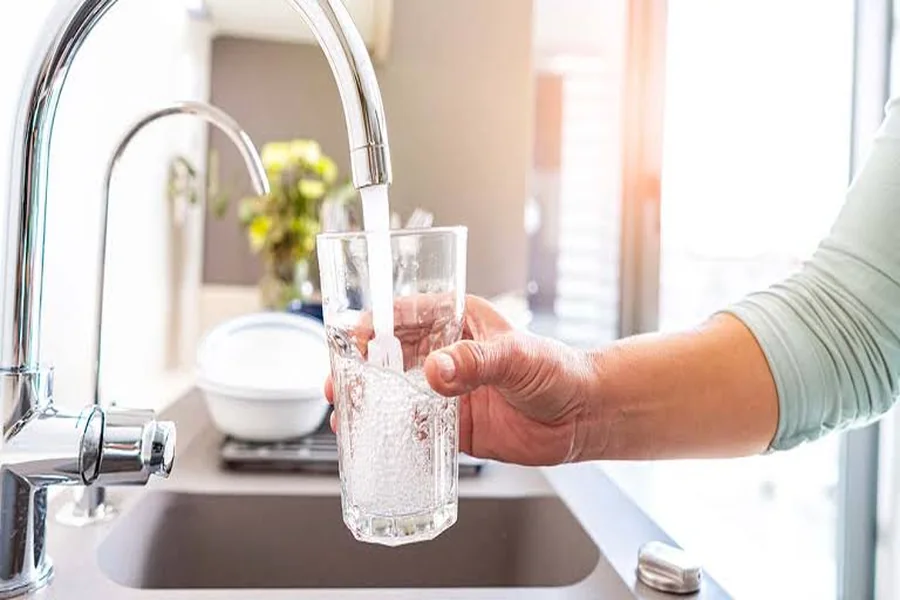
Home improvement does not always mean tearing out cabinets, replacing flooring, or committing to a major renovation. Some of the most practical upgrades are smaller changes that improve how a home functions every single day.
A drinking water filter can fall into that category.
For homeowners who regularly buy bottled water, refill filter pitchers, dislike the taste or odor of their tap water, or simply want filtered water readily available for drinking and cooking, a point-of-use filtration system can make the kitchen more convenient without changing the entire home’s plumbing system.
That distinction matters. A drinking water filter installation generally focuses on a specific point of use, most commonly the kitchen sink. It is different from whole-house filtration, which treats water before it is distributed to fixtures throughout the property.
As a home upgrade, the appeal is straightforward: improve one frequently used part of the house without taking on a larger project than necessary.
Still, a successful installation involves more than choosing a filter and finding room beneath the sink. Homeowners need to consider their plumbing configuration, available cabinet space, maintenance requirements, filtration goals, and how the system will fit into everyday kitchen routines.
Understanding those details can help determine whether drinking water filtration is a worthwhile improvement for a particular home.
Why Drinking Water Filtration Fits Into Home Improvement
Home improvement is ultimately about making a property more functional, comfortable, efficient, or easier to maintain.
Sometimes that means replacing something that is failing. Other times, it means improving a system that technically works but no longer meets the household’s expectations.
Kitchen upgrades are a good example.
A functioning kitchen does not necessarily need new cabinets or countertops. Yet homeowners routinely add pull-out storage, better lighting, upgraded faucets, quieter appliances, charging outlets, and other features because those improvements make daily tasks easier.
Drinking water filtration follows a similar principle.
The existing faucet may provide usable tap water, but a homeowner might still prefer filtered water for drinking, preparing meals, making coffee, or filling reusable bottles.
Instead of treating that preference as a separate daily task—buying bottled water or repeatedly filling a pitcher—an under-sink system integrates filtration into the kitchen itself.
That is what makes drinking water filter installation particularly relevant as a functional home upgrade: the improvement becomes part of the existing space rather than another item sitting on the counter or occupying refrigerator shelves.
Point-of-Use Filtration Solves a Specific Household Need
One of the most important things homeowners should understand is that drinking water filtration does not necessarily mean filtering every gallon of water entering the house.
Point-of-use systems treat water at a particular fixture.
In many homes, the equipment is installed beneath the kitchen sink and supplies filtered water through a dedicated faucet or compatible existing fixture. The exact setup depends on the filtration system and kitchen configuration.
This targeted approach can be useful when the homeowner’s main concern is drinking and cooking water.
Water used for toilets, showers, laundry, irrigation, and other purposes does not necessarily require the same treatment when the goal is simply to have filtered water available in the kitchen.
For homeowners evaluating upgrades carefully, that makes point-of-use filtration a relatively focused project.
It addresses a particular household preference without automatically turning into a whole-home plumbing renovation.
Convenience Is Often the Biggest Improvement
When homeowners compare drinking-water options, filtration performance naturally receives attention. But from a home-improvement perspective, convenience can be equally important.
Consider a household using a pitcher filter.
Someone has to fill it. Then the water has to pass through the filter. If several family members use it throughout the day, the pitcher may need to be refilled repeatedly. Larger pitchers and dispensers also occupy valuable refrigerator space.
Bottled water introduces a different set of chores.
Cases have to be purchased, transported, stored, refrigerated, and eventually recycled or discarded. Running out means another trip to the store.
An under-sink system changes the workflow.
Filtered water is available from the sink whenever someone needs it. Filling a glass, reusable bottle, coffee maker, saucepan, or kettle becomes part of the normal kitchen routine.
That may seem like a minor improvement, but good home design often comes down to eliminating small inconveniences that happen repeatedly.
Saving a few minutes once is insignificant. Removing an unnecessary task hundreds of times over several years can make a home noticeably easier to use.
Drinking Water Filter Installation Can Reduce Countertop and Refrigerator Clutter
Storage is a constant concern in many kitchens.
Countertops accumulate coffee makers, air fryers, knife blocks, dish racks, chargers, and small appliances. Refrigerators fill with food containers, beverages, condiments, and water pitchers.
Homeowners renovating kitchens often spend considerable time looking for ways to reclaim usable space.
An under-sink drinking water system moves much of the filtration equipment into cabinetry that is already dedicated to plumbing and utility functions.
That can remove the need for a countertop filtration unit or refrigerator pitcher, depending on how the household previously obtained filtered water.
Of course, the equipment still occupies space beneath the sink. This means installation requires planning rather than simply transferring clutter from one area to another.
The goal is not merely hiding equipment. It is integrating it intelligently.
The Cabinet Under the Sink Deserves More Attention Than It Gets
The area beneath a kitchen sink can look spacious until someone tries to install something new.
Drain piping occupies the center of many cabinets. There may also be a garbage disposal, dishwasher connections, water supply lines, shutoff valves, cleaning products, organizers, or other equipment.
More advanced filtration systems can require several components.
Depending on the technology, a system may include filter housings, tubing, cartridges, a storage tank, a drain connection, or electrical components. Reverse-osmosis systems, for example, can require more room than simpler point-of-use filters.
Before drinking water filter installation, homeowners should consider more than whether the equipment technically fits.
Leave Space for Future Maintenance
Filters eventually need replacement.
If a cartridge housing is installed directly against the cabinet floor or blocked by plumbing, changing it later can become unnecessarily difficult.
There should be enough clearance to remove cartridges and access connections without dismantling unrelated parts of the cabinet.
This is one reason professional planning matters.
According to plumbers at Oasis Plumbing, homeowners sometimes focus primarily on where the filtration unit will fit on installation day, while overlooking how easily the system can be accessed months later when maintenance is required.
A practical installation considers both.
Existing Plumbing Can Influence the Installation
Two kitchens that look nearly identical above the countertop can be very different underneath it.
Pipe materials, shutoff valves, faucet configurations, garbage disposals, supply-line routing, drainage layouts, and previous modifications can all influence how a drinking water system is installed.
Older homes can present additional considerations.
A shutoff valve may not operate properly. Connections may have been modified during previous renovations. Cabinet space may be limited by older plumbing layouts. There may also be signs of corrosion or previous leakage that deserve attention before additional equipment is connected.
This does not mean installing a filter requires rebuilding the kitchen plumbing.
It means the existing system should be understood before new components are added.
A drinking water filter installer can evaluate how the filtration equipment will connect to the existing supply and whether any conditions should be addressed first.
That approach is consistent with good home-improvement planning: understand the existing structure before adding something new to it.
The Faucet Is Part of the Design Decision
Many homeowners spend significant time selecting kitchen faucets because the fixture is highly visible.
Adding filtered water can affect that decision.
Some filtration systems use a small dedicated drinking-water faucet installed beside the primary kitchen faucet. Others may be compatible with faucets designed to provide both regular and filtered water.
If a separate faucet is required, the countertop or sink may need an available mounting hole.
That sounds simple until the kitchen has a stone countertop, an undermount sink, a soap dispenser, or accessories already occupying available openings.
Homeowners planning a remodel have an advantage because they can account for drinking-water filtration before countertops and fixtures are finalized.
For an existing kitchen, careful evaluation can determine the cleanest way to incorporate the filtered-water outlet without making the sink area look like an afterthought.
Kitchen Renovations Are a Natural Time to Think About Filtration
Homeowners do not have to wait for a remodel to install a drinking water filter, but renovations create a useful planning opportunity.
During a kitchen renovation, cabinets, countertops, faucets, appliances, and plumbing connections may already be changing.
That makes it easier to think about filtration as part of the kitchen design rather than an accessory added later.
For example, cabinet layouts can reserve sufficient space for equipment. Faucet placement can account for a dedicated filtered-water outlet. Plumbing connections can be arranged with accessibility in mind.
The important point is not that filtration must be installed during remodeling.
It is that homeowners who already know they want filtered drinking water should mention it early in the renovation process.
Small planning decisions made before cabinets and countertops are finalized can prevent awkward compromises later.
Choosing a Filter Starts With the Problem, Not the Equipment
Home improvement shopping often encourages homeowners to compare products before defining the problem.
Filtration should work the other way around.
The first question is not, “Which filter has the most stages?”
It is, “What do I want to improve about my drinking water?”
For one homeowner, the concern may be chlorine-related taste or odor. Another may want to address sediment. Someone else may have a specific water-quality concern identified through testing.
Different filtration technologies address different issues.
Activated-carbon filtration, sediment filtration, reverse osmosis, and other treatment methods do not perform identical functions.
A larger or more complex system is therefore not automatically a better home upgrade.
Plumbing professionals often note that understanding the household’s actual water concern makes it easier to select appropriate equipment and avoid paying for features that do not address the homeowner’s needs.
This also helps set realistic expectations.
No filter should be assumed to remove every possible substance simply because the packaging uses broad terms such as “pure” or “clean.”
Maintenance Determines Whether the Upgrade Remains Useful
Home improvements are easier to appreciate when they continue working without demanding constant attention.
Drinking water filtration does require maintenance, but it should generally be predictable.
Filters have replacement intervals based on manufacturer recommendations, system design, water usage, and sometimes local water conditions.
A household that uses large amounts of filtered water may need replacement cartridges sooner than a household with relatively low consumption.
Some systems include filter-life indicators or monitoring features. Others rely on schedules or rated capacity.
Regardless of technology, homeowners should know three things after installation:
- which components require replacement;
- approximately when they should be replaced;
- how easily those components can be accessed.
Skipping filter maintenance can reduce system performance and undermine the reason the equipment was installed in the first place.
A filtration system should therefore be viewed as a maintained home feature rather than a permanent device that can be forgotten beneath the sink.
Leak Prevention Should Be Part of Installation Planning
Anything connected to a pressurized water supply deserves careful installation.
That includes drinking water filtration.
The system may contain fittings, tubing, valves, housings, and other connections that remain under water pressure. Proper installation and periodic inspection help reduce the risk of leaks.
Homeowners should occasionally look beneath the sink for moisture, staining, warped cabinet material, or unusual dampness.
This is a useful habit even without a filtration system because sink cabinets already contain several potential leak sources.
Adding filtration simply makes thoughtful organization more important.
Connections should remain visible enough to inspect, and cleaning supplies should not be packed so tightly around the equipment that a slow leak could remain hidden for weeks.
Some modern homeowners also use water sensors beneath sinks and around appliances as part of broader leak-detection strategies.
Filtration and leak monitoring serve different purposes, but both reflect the same home-improvement principle: small systems should be installed with long-term protection in mind.
A Good Upgrade Should Fit the Household’s Actual Routine
Home improvement becomes wasteful when people install features because they sound impressive rather than because they solve real problems.
A drinking water filter is no exception.
Consider a household that drinks primarily bottled water because family members dislike their tap water’s taste. They also use bottled water for coffee and regularly fill reusable bottles before leaving home.
That household may use a point-of-use system frequently.
Now consider someone who rarely drinks water at home and has no concerns about tap-water taste or quality.
The same installation may provide much less practical value.
Before adding filtration, homeowners can examine how they currently use drinking water.
How often do they buy bottled water?
Do they use a pitcher filter?
How much refrigerator space does it occupy?
Do they regularly prepare coffee or tea with filtered water?
Would they fill reusable bottles from the kitchen faucet if filtered water were readily available?
These questions help determine whether the improvement will actually become part of daily life.
Point-of-Use and Whole-House Filtration Are Different Upgrades
Homeowners researching filtration frequently encounter both point-of-use and whole-house systems, which can make the decision seem more complicated than it needs to be.
The distinction is primarily about scope.
A drinking water filter treats water at a particular location, commonly the kitchen.
Whole-house filtration treats water before it is distributed throughout the property.
Neither approach is automatically better. They are intended for different objectives.
A homeowner primarily interested in filtered drinking and cooking water does not necessarily need to filter water supplied to toilets, outdoor faucets, washing machines, and every other fixture.
Conversely, someone trying to address a water condition affecting the entire home may need a broader solution.
Recognizing that distinction can prevent homeowners from turning a focused kitchen upgrade into a much larger project unnecessarily.
Modern Filtration Is Becoming More Integrated
Home technology has gradually shifted toward invisible convenience.
Homeowners increasingly prefer systems that perform useful functions without occupying attention or disrupting the appearance of a room.
Lighting controls disappear into switches and apps. Charging ports are integrated into cabinetry. Appliances are concealed behind panels. Leak sensors monitor areas that homeowners rarely inspect.
Drinking-water systems are moving in a similar direction.
Many modern point-of-use systems are designed to fit beneath the sink, leaving only a dedicated faucet or integrated fixture visible.
Some systems provide indicators for filter status. Others use compact components designed for kitchens where cabinet space is limited.
These improvements do not eliminate the need for maintenance or thoughtful installation, but they can make filtration easier to incorporate into modern kitchens.
For homeowners who value clean countertops and streamlined routines, that integration is part of the appeal.
Installation Quality Matters as Much as the Equipment
Home improvement projects often focus heavily on product selection.
Homeowners compare brands, specifications, reviews, warranties, and features. Installation can receive less attention even though it has a major influence on how well the upgrade works in everyday use.
A good drinking water filter installation should result in a system that is secure, accessible, organized, and compatible with the existing plumbing.
Tubing should not interfere unnecessarily with storage. Components should be positioned so filters can be serviced. Connections should be appropriate for the plumbing configuration. If a dedicated faucet is required, its placement should work with the sink and countertop.
These details rarely appear in product advertisements, but they determine whether the system feels like a thoughtfully integrated home improvement or a collection of components squeezed beneath the sink.
Think Beyond Installation Day
The most successful home upgrades tend to age well.
A new feature may look impressive immediately after installation, but its real value becomes clearer after months or years of regular use.
Drinking water filtration should be evaluated the same way.
Homeowners should think about future cartridge availability, replacement frequency, service access, cabinet organization, changing household needs, and whether the system is likely to remain convenient.
If a filter is difficult to replace, maintenance may be postponed.
If the equipment consumes too much cabinet space, the homeowner may eventually resent it.
If the system treats something the household never cared about while failing to address the issue that prompted installation, even technically impressive equipment may feel disappointing.
Long-term usefulness comes from matching the system, installation, and maintenance requirements to the home.
Practical Home Improvements Make Everyday Tasks Easier
Not every worthwhile upgrade needs to transform the appearance of a property.
Sometimes the most satisfying improvements are the ones homeowners stop noticing because they simply become part of daily life.
A better-placed outlet.
A quieter dishwasher.
More functional cabinet storage.
Improved lighting over a work surface.
Or filtered drinking water available directly from the kitchen sink.
A drinking water filter installer can integrate a point-of-use system into the home’s plumbing, but the real value of the improvement depends on whether it solves an everyday household need.
For homeowners who currently manage pitchers, bottled water, countertop equipment, or recurring concerns about drinking-water taste and odor, filtration can simplify the kitchen routine while keeping treatment focused where it is actually needed.
Like any home improvement, the project benefits from planning. Homeowners should understand what they want to address, select filtration suited to that purpose, account for existing plumbing and available space, and consider maintenance before equipment is installed.
When those pieces work together, drinking water filter installation does not need to be a dramatic renovation to be meaningful.
It can simply be a well-planned improvement that makes one of the most frequently used rooms in the home a little more functional every day.
