

Key Takeaways
- Equipos Industriales de Transmisión de Potencia play a crucial role in improving productivity across industries such as manufacturing, mining, and heavy equipment operations.
- Heavy-duty clutches provide precise torque control, improving safety and performance in applications with changing loads.
- Investing in advanced power transmission systems helps reduce unexpected downtime while lowering maintenance costs.
- Choosing the correct transmission equipment requires understanding the differences between clutches, brakes, and gear systems.
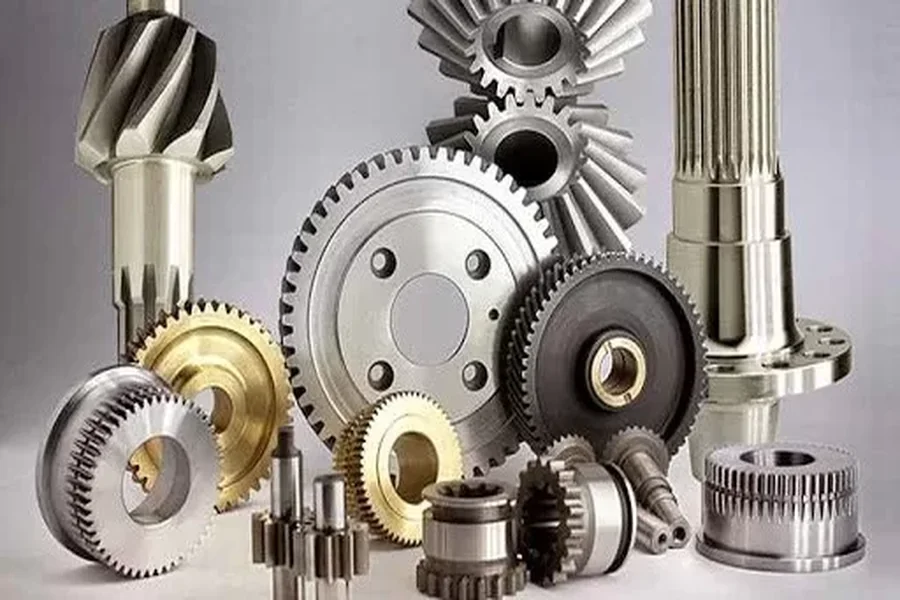
- Planetary and helical gears improve efficiency by reducing friction while offering compact and durable designs.
- Key considerations when selecting power transmission systems include compatibility, load capacity, and total ownership cost.
- Routine maintenance, employee training, and quality replacement parts are essential for maximizing equipment lifespan and operational performance.
Why Power Transmission Equipment Is Essential in Industry
In today’s rapidly evolving industrial environment, power transmission equipment has become a critical part of maintaining operational efficiency. Businesses that aim to improve productivity depend heavily on reliable energy transfer systems. From manufacturing plants to mining operations, efficient transmission systems help convert energy into consistent production output.
Without dependable transmission components, even advanced machinery can experience performance issues, increased downtime, and costly operational disruptions.
The Role of Heavy-Duty Clutches
Heavy-duty clutches are often considered the silent workhorses of industrial operations. They provide precise torque management, allowing machinery to perform efficiently under demanding conditions. In applications involving fluctuating loads, these clutches ensure smoother starts and stops while reducing mechanical stress.
Their advantages include:
- Improved operational safety
- Better machinery protection
- Reduced wear and tear
- Greater system efficiency
Because of their durability, heavy-duty clutches are ideal for harsh industrial environments where performance reliability is essential.
Benefits of Investing in Power Transmission Systems
Investing in modern transmission systems offers several long-term benefits for businesses. Companies that upgrade to advanced industrial clutches and braking systems often experience fewer unplanned shutdowns and improved productivity.
Some major advantages include:
- Increased operational efficiency
- Reduced maintenance expenses
- Longer equipment lifespan
- Lower downtime costs
- Improved production reliability
Efficient power transmission systems allow businesses to move energy effectively throughout operations, creating a significant competitive advantage.
Types of Power Transmission Equipment That Improve Performance
Selecting the right transmission equipment can dramatically improve industrial performance. Modern innovations continue to raise standards for efficiency, durability, and productivity.
Clutches vs. Industrial Brakes
Clutches and industrial brakes both play essential roles within transmission systems, but they serve different purposes.
Clutches are designed to connect and disconnect rotating shafts smoothly, while brakes are responsible for slowing or stopping motion safely during operation.
Key differences include:
- Clutches manage power transfer between components
- Brakes control deceleration and stopping functions
- Both systems often work together for optimal machine performance
Businesses should evaluate the type of workload and operational demands before selecting the appropriate equipment.
Advantages of Planetary and Helical Gears
Planetary and helical gears offer major improvements in efficiency and system design. Planetary gear systems are especially effective for handling high loads within compact spaces.
Benefits include:
- Reduced friction for better efficiency
- Compact, space-saving designs
- Greater durability and longer service life
- Improved load distribution
Helical gears are also valued for their quieter operation and smoother performance, making them ideal for continuous industrial applications.
How to Choose the Right Power Transmission Equipment
Selecting the best transmission equipment requires careful planning and evaluation. Different systems are designed for different industrial needs, so understanding operational requirements is essential.
Important Factors to Consider
Before purchasing a transmission system, businesses should evaluate several critical factors:
- Compatibility with existing equipment
- Required load capacity
- Environmental operating conditions
- Long-term maintenance requirements
- Total cost of ownership
These factors directly impact performance, reliability, and long-term operational costs.
Expert Tips for Maximizing Efficiency
Proper maintenance and operation are essential for maximizing equipment performance. Industry experts commonly recommend the following strategies:
- Schedule regular inspections and preventive maintenance
- Train operators thoroughly on equipment usage
- Use high-quality replacement components
- Monitor system performance consistently
A proactive maintenance strategy helps businesses prevent costly failures while extending equipment lifespan.
Real-World Results from Power Transmission Systems
Modern power transmission systems continue to deliver measurable improvements across many industries, including manufacturing, construction, and energy production.
Success Stories Across Industries
A mining company recently reported a 30% reduction in operational downtime after upgrading to heavy-duty clutch systems. Similar improvements are common among businesses that modernize outdated transmission equipment.
Companies frequently report benefits such as:
- Higher production output
- Reduced repair costs
- Improved operational reliability
- Better workplace safety
- Greater energy efficiency
These examples highlight the direct impact high-quality transmission equipment can have on business performance.
Why Reliable Equipment Matters
Industrial transmission systems are more than mechanical components — they are strategic assets that directly affect productivity and profitability. Businesses that invest in durable and efficient systems position themselves for long-term growth and operational success.
As industrial technology continues to evolve, companies that stay updated with modern transmission solutions will remain more competitive in demanding markets.
FAQ
What industries commonly use power transmission equipment?
Power transmission systems are widely used in manufacturing, mining, construction, agriculture, transportation, and energy production industries.
Why are heavy-duty clutches important?
Heavy-duty clutches provide controlled torque transfer, helping machinery operate smoothly while reducing mechanical stress and improving safety.
How do planetary gears improve efficiency?
Planetary gears distribute loads evenly across multiple contact points, reducing friction while improving torque capacity and system durability.
What maintenance practices help extend equipment lifespan?
Routine inspections, lubrication, preventive maintenance schedules, and proper operator training all help maximize equipment longevity.
Can older systems be upgraded with modern components?
Yes. Retrofitting older equipment with updated transmission components can improve performance and reliability without replacing entire systems.
How do transmission systems reduce energy costs?
Modern systems reduce friction and energy loss, helping businesses improve efficiency and lower overall energy consumption.
What should businesses consider before buying transmission equipment?
Companies should review compatibility, load requirements, maintenance needs, operating conditions, and long-term ownership costs.
Why is employee training important for transmission systems?
Properly trained operators reduce misuse, identify early warning signs of wear, and help prevent costly equipment failures.
