

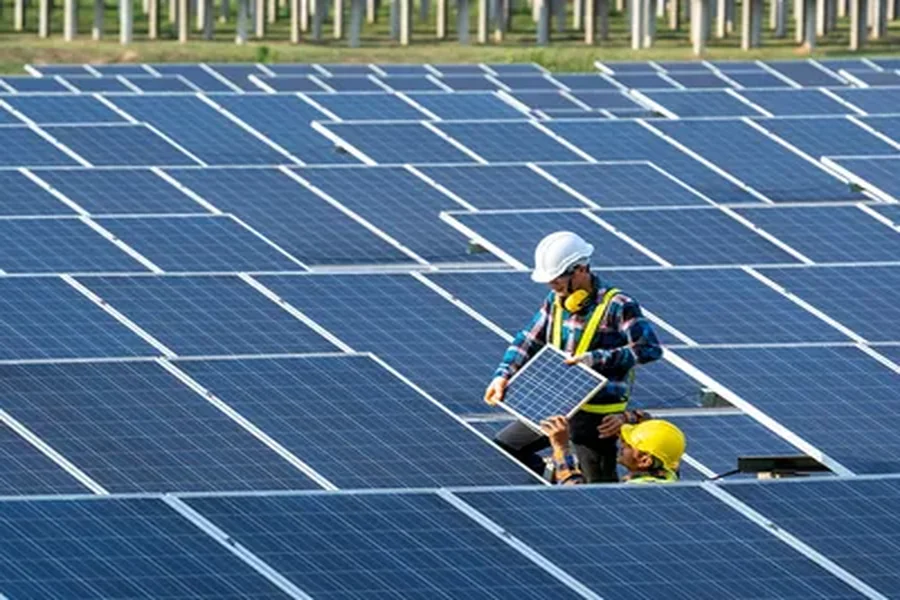
Across the United States, communities once powered by coal plants, factories, and refineries are discovering new purposes in the clean energy transition. The economic decline in these post-industrial towns left behind more than empty warehouses. It created uncertainty, generational job loss, and fading local pride. Now, solar energy is helping write a new chapter, turning these places into hubs of innovation, resilience, and opportunity. Clean energy companies are not just installing panels. They’re building pathways for economic revival. Freedom Forever Solar, a residential solar provider specializing in customized system design, contributes to this transformation through its federally approved Registered Apprenticeship Program.
Launched in partnership with organizations like the Interstate Renewable Energy Council (IREC) and the Institute for Workplace Skills and Innovation America (IWSI America), the program combines in-house technical instruction with hands-on learning across its branches. It emphasizes inclusive recruitment by building pathways for talented candidates from historically Black colleges and universities (HBCUs), women’s trade schools, and other communities that have had limited access to traditional opportunities.
By focusing on workforce development, community partnerships, and accessible energy solutions, the clean energy sector is bridging the gap between environmental progress and economic revitalization. These initiatives do more than reduce carbon emissions. They create sustainable jobs, stimulate local economies, and reignite pride in communities once defined by industrial decline. This transformation represents not just a shift in energy but a resurgence of opportunity and resilience across the country.
Solar Growth in Industrial Regions
In states like Ohio, Texas and Georgia, regions historically dependent on coal mining, steel production or textiles, solar energy is gaining traction. Large-scale installations, panel manufacturing centers and storage hubs are cropping up in areas once considered past their prime. This growth marks a critical pivot toward diversified local economies that can better withstand industry downturns.
Solar projects in these areas require a wide range of roles: system design, land preparation, electrical wiring, safety inspections, and long-term system monitoring. The demand for skilled labor supports employment for residents who might otherwise leave town for work or settle for lower-wage service jobs. These roles offer not just income but stability, benefits and growth potential, qualities long sought after in many underserved communities.
Creating Jobs Where They’re Needed Most
What sets solar apart in its economic impact is how deeply rooted it can become in the towns it touches. Unlike industries that extract resources and relocate, solar projects often embed themselves into the fabric of the community. From initial development to long-term maintenance, these installations create consistent job opportunities and support local economic ecosystems.
In many of these towns, residents are participating directly by leasing land for installations, supplying equipment and services, or taking part in project coordination. Small businesses near solar development sites, such as hardware stores, restaurants and transport providers, also benefit from the uptick in activity. Over time, this layered effect contributes to stronger local economies and increased financial resilience.
Supporting Workforce Readiness Through Training and Upskilling
As solar demand grows, so does the need for a skilled and reliable workforce. Workers coming from backgrounds in fossil fuels, manufacturing, or trades often bring relevant skills in mechanical systems, safety compliance, and logistics. With targeted upskilling, they are well-positioned to transition into solar-related roles.
To meet this need, companies partner with workforce boards, trade schools, and technical colleges to provide hands-on training in photovoltaic installation, electrical systems, and equipment handling. Programs typically include safety certification, trenching practices, and energy monitoring techniques. Freedom Forever reviews these collaborative training approaches through its Registered Apprenticeship Program, ensuring that workforce preparation stays aligned with the demands of modern solar system design and installation.
Reviving Community Economies from the Ground Up
The economic ripple effect of solar energy extends beyond direct employment. With new projects come new business opportunities, everything from equipment rental and catering to engineering services and transport logistics. These support roles amplify job creation and stimulate spending in nearby towns, bringing life back to the main streets and town centers.
Local governments have taken note, offering land-use incentives, fast-track permits and infrastructure support to attract clean energy investment. This public-private collaboration helps ensure that solar projects succeed not only technically but socially, with widespread buy-in and long-term community support.
These efforts also foster a shift in public perception. Where solar was once viewed as an unfamiliar or elite technology, it’s now seen as a practical solution that provides jobs, reduces costs, and contributes to a sustainable future. This cultural acceptance is crucial for long-term impact and continued industry growth.
A New Generation of Clean Energy Workers
Young people in former industrial towns are finding reasons to stay and build careers at home, thanks in part to the emergence of the solar economy. Schools and community colleges are introducing STEM-focused programs that highlight renewable energy, while certification programs provide entry points into the field within six to twelve months.
Internships, apprenticeships and mentorship opportunities further enhance career development, allowing students to gain real-world experience and envision long-term goals in energy-related fields. These programs are particularly impactful for first-generation college students and adult learners seeking stable employment after economic displacement.
Rebuilding Identity Through Clean Energy Work
Beyond economics and education, solar energy is also helping rebuild a sense of identity in towns that once felt left behind. When residents see neighbors installing panels, young people joining solar firms and local schools incorporating renewable energy projects, it reinforces a collective sense of pride and forward momentum.
The nature of the work also resonates with long-standing cultural values, self-reliance, hands-on craftsmanship and commitment to one’s community. Whether someone is installing solar arrays or managing logistics for a battery storage system, there is satisfaction in contributing to something meaningful and sustainable.
For many, clean energy work is more than just a job and stands as a symbol of progress. It offers a way to take part in shaping the future while honoring the skills and determination that built these towns in the first place.
Charting a New Course for American Communities
The transformation of former industrial towns into solar-powered communities is more than a hopeful story and serves as a blueprint for resilient economic development. Clean energy investment provides a viable, long-term solution for areas that have struggled with job loss, population decline, and shrinking tax bases.
By focusing on workforce training, local hiring and community engagement, solar companies are not only driving environmental change but also contributing to stronger, more inclusive economies. The work may look different from the factories and refineries of the past, but the result is the same: stable livelihoods, revitalized communities and renewed purpose. As the nation continues its push toward a clean energy future, the resurgence of these towns reminds us that transition doesn’t have to mean loss. It can also mean opportunity, reinvention, and growth from the ground up.
