

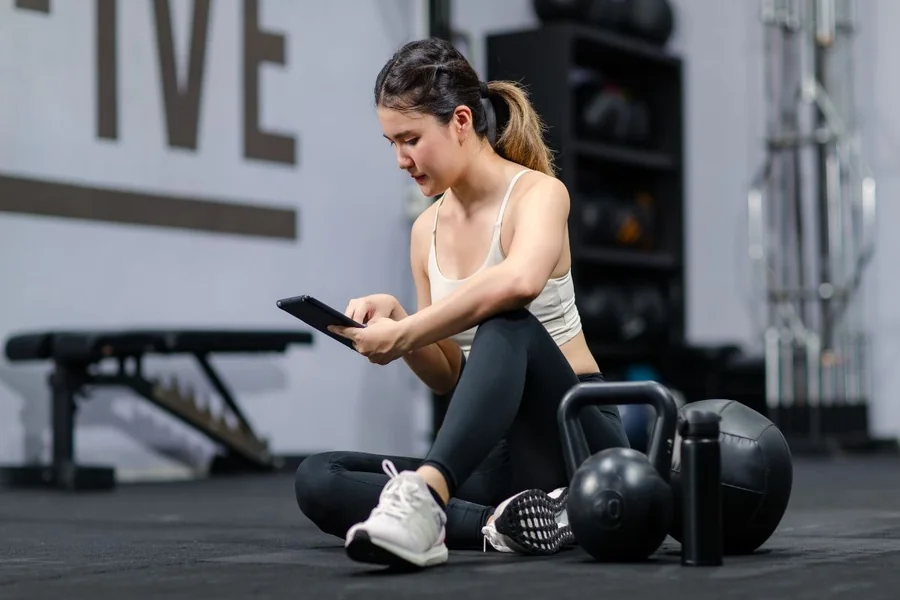
Millennials are often portrayed through a narrow lens—selfie-obsessed, fast food-loving, and glued to screens. But beneath these stereotypes lies a generation actively rewriting the rules of health and wellness. Unlike previous generations, Millennials don’t just pursue physical fitness or balanced diets; they view health as a complex, interconnected lifestyle shaped by culture, technology, and social consciousness. Their evolving habits reflect a broader desire not just for personal well-being but for meaningful, lasting change in how we approach health in society.
Wellness as a Lifestyle, Not a Goal
For Millennials, health isn’t just a goal to achieve but a lifestyle to cultivate. This subtle but powerful shift means that they prioritize sustainable habits over quick fixes. Instead of crash diets or short-term gym bursts, Millennials seek long-term balance that fits their individual values and routines.
This approach has sparked an explosion of wellness culture—think meditation retreats, plant-based meal prepping, and fitness trends that emphasize enjoyment, like dance classes or hiking with friends. Wellness has become deeply integrated into daily life, often blending physical, mental, and social health in ways previous generations rarely considered.
Digital Communities Fueling Health Habits
Technology is often blamed for sedentary lifestyles, but Millennials have flipped the script by leveraging digital tools to foster healthier habits and community support. Social media platforms are brimming with fitness challenges, cooking tutorials, mental health advocates, and mindful living influencers who create virtual spaces for motivation and learning. Apps that track sleep, nutrition, and exercise have transformed personal health from guesswork into data-driven insight, empowering Millennials to take charge of their well-being. Telemedicine and online therapy have removed barriers to mental health care, making it more accessible than ever. In this digital ecosystem, even quitting smoking has been reshaped. Millennials seeking less harmful alternatives often turn to products like vape juice, which provide satisfying experiences without many of the risks linked to traditional cigarettes, demonstrating how technology and innovation support healthier choices.
Mental Health as the New Health Priority
Unlike earlier generations, Millennials openly acknowledge the importance of mental health as part of overall wellness. The conversation around anxiety, depression, and burnout has moved from whispered admissions to public discourse. This shift has driven demand for better mental health resources, workplace flexibility, and destigmatization efforts.
Mindfulness practices, from guided meditation apps to yoga and breathwork, have surged in popularity. Millennials are embracing these tools not just for relaxation but as essential components of managing the stressors unique to modern life, such as economic uncertainty and digital overload.
Ethical Consumption and Health
Millennials’ health habits are inseparable from their values. More than ever, this generation prioritizes products and lifestyles that align with social justice, environmental sustainability, and ethical practices. This means that health is not just personal but political.
Whether it’s choosing cruelty-free skincare, buying fair-trade groceries, or reducing single-use plastics, Millennials are making health decisions that reflect a commitment to a better world. This holistic view connects personal well-being with the health of the planet and society, illustrating a more expansive definition of what it means to be “healthy.”
Social Connectivity and Wellness
Health for Millennials is also about connection. Social isolation is recognized as a serious health risk, so Millennials often seek wellness through community. Group fitness classes, wellness workshops, and even online forums create bonds that support mental and physical health alike.
The pandemic accelerated this trend, highlighting the importance of social support in coping with stress and maintaining motivation. Millennials have adapted by blending online and offline experiences, showing that wellness is as much about relationships as it is about diet and exercise.
Overcoming Barriers with Innovation
Despite their enthusiasm for health, Millennials face unique obstacles—rising living costs, job instability, and time scarcity. Yet their creativity in overcoming these barriers is notable. From DIY home workouts using YouTube videos to meal prepping affordable healthy foods, Millennials refuse to let circumstances dictate their well-being.
Additionally, innovations like subscription-based wellness services, affordable teletherapy, and community-supported agriculture have made health more attainable. Products like Geek Bar flavors offer a practical alternative for those quitting smoking, reflecting how the market has adapted to meet Millennials’ specific needs.
The Road Ahead: Health as a Shared Journey
Millennials are not just changing their own habits—they’re redefining health as a shared cultural value. They expect brands, workplaces, and governments to support holistic well-being and social responsibility. Their focus on inclusivity, transparency, and sustainability is shaping policies and markets alike.
This generational transformation points to a future where health is more integrated, personalized, and equitable. Millennials’ holistic approach challenges us all to think beyond traditional health measures and embrace a more nuanced, compassionate vision of wellness.
