

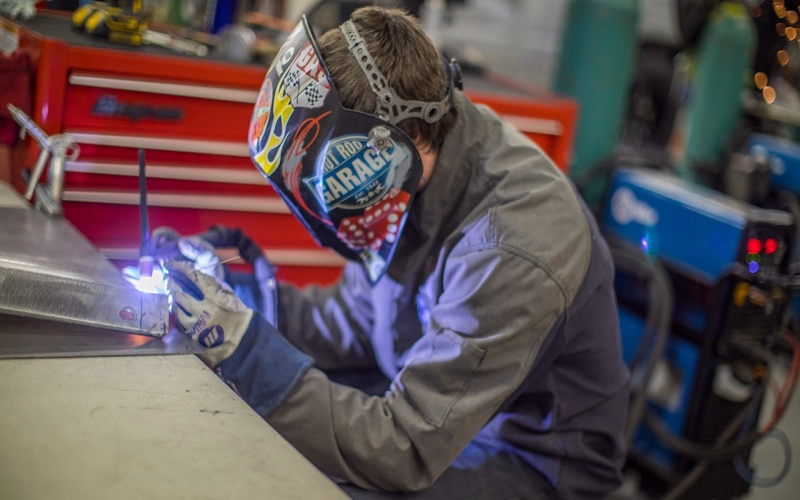
TIG welding is the standard approach for precise and versatile welding. However, welders may experience some challenges, especially if they fail to make the necessary preparations and adhere to the correct welding practices.
Common problems such as porosity, contamination, and uneven beads can compromise the quality of your welds. This article highlights practical strategies for troubleshooting and fixing common issues in TIG welding, ensuring stronger, cleaner welds every time.
Troubleshooting TIG Welding Issues
TIG welding is a precise and versatile process, but it is not without challenges. Therefore, the welder must proactively identify and address these issues to ensure high-quality welds. TIG welding problems may arise from improper technique, equipment malfunctions, or material contaminants. Critical issues include weld contamination, porosity, lack of fusion, uneven weld beads, and inconsistent arc control. Each can compromise the structural integrity and aesthetic quality of the weld.
Troubleshooting begins with identifying the root cause of these issues. For example, weld contamination often stems from insufficient shielding gas or dirty base metals. In such a case, adjusting gas flow rates, cleaning materials, and ensuring proper equipment setup can resolve this. Similarly, uneven beads might result from inconsistent torch angles or improper filler rod feeding.
Even as you troubleshoot welding issues, preventive measures are also crucial. Regular equipment maintenance, following proper welding procedures, and using high-quality materials can mitigate issues. Therefore, troubleshooting TIG welding issues combines observation, analysis, and corrective action. With careful attention and correct equipment, welders can resolve most of these problems, ensuring beautiful TIG welds.
Identifying Signs of Contaminated Welds
Contaminated welds are a standard issue in TIG welding, often resulting from improper shielding, dirty materials, or poor technique. Ealy recognizing the signs can help welders address the problem before it escalates.
Below are some of the signs of identifying contaminated welds.
- Discoloration: Welds with excessive black, gray, or brown hues often indicate contamination caused by inadequate shielding gas coverage or impurities on the base material. A clean TIG weld should have a shiny, uniform appearance.
- Porosity: Tiny holes or bubbles visible in the weld bead are often an indication of trapped gases, often due to contamination from oil, grease, or dirt on the workpiece or filler rod.
- Inconsistent Weld Beads: Contaminants affecting the arc’s stability can result in uneven or erratic bead patterns. This defect may also indicate improper torch angles or shielding gas flow.
- Cracks or Weak Spots: Contaminated welds may exhibit structural weaknesses, such as microcracks, that can compromise the joint’s integrity.
To avoid these issues, ensure thorough material cleaning, maintain proper gas flow, and inspect equipment regularly. If contamination is present, the aim is to identify and correct it early, providing stronger and more reliable welds.
Fixing Porosity in TIG Welds
Porosity in TIG welding occurs when gas becomes trapped in the molten metal, forming tiny holes that weaken the weld’s integrity. Addressing porosity requires identifying the root cause and implementing corrective actions.
- Clean the Workpiece: Contaminants like oil, grease, paint, or rust can release gases during welding, leading to porosity. Use a wire brush, degreaser, or sandpaper to clean the base metal thoroughly before starting.
- Check the Shielding Gas: Improper shielding gas flow or leaks in the gas delivery system can allow air to mix with the weld pool. Optimize the gas regulator setting and inspect hoses for cracks or loose connections.
- Use the Right Filler Material: Low-quality or contaminated filler rods can introduce impurities into the weld. Always store filler rods in a dry, clean area and inspect them for damage or contaminants before use.
- Adjust Welding Parameters: Excessive heat can cause gas entrapment in the molten pool. Optimize the amperage and travel speed to minimize overheating while maintaining good penetration.
- Improve Torch Angle: A poor torch angle can disrupt shielding gas coverage. Maintain a steady, proper torch angle (typically 15–20° from vertical) to ensure even gas flow over the weld area.
- Inspect Gas Nozzle and Cup: Dirty or damaged nozzles can restrict gas flow, leading to porosity. Clean the nozzle regularly and replace it if necessary.
Addressing Lack of Fusion and Uneven Beads
Lack of fusion and uneven weld beads are other common TIG welding issues that compromise weld strength and aesthetics. These problems often stem from incorrect technique, inadequate heat, or poor preparation.
- Ensure Proper Joint Preparation: Lack of fusion often occurs when the joint isn’t clean or adequately aligned. Remove contaminants like rust, grease, or dirt, and ensure the edges of the workpiece are adequately prepared, with no gaps or misalignments.
- Use Appropriate Heat Settings: Insufficient heat can prevent the filler material from bonding with the base metal. Therefore, adjust the amperage to suit the material’s thickness and type, ensuring enough penetration without overheating.
- Optimize Travel Speed: Moving the torch too quickly can result in incomplete fusion while moving too slowly can create an uneven bead. Maintaining a consistent travel speed allows the weld pool to form evenly and fully penetrate the joint.
- Maintain a Steady Torch Angle: A poor torch angle disrupts the arc and prevents proper fusion. Keep the torch at a consistent angle (around 15°) and maintain the correct distance from the workpiece for better control.
- Ensure Adequate Gas Coverage: Insufficient shielding gas can cause uneven beads and fusion issues. Therefore, always verify gas flow settings, check for leaks, and use the correct nozzle size to maintain even coverage.
- Practice Consistent Filler Addition: Inconsistent filler rod feeding often results in uneven beads. Use steady, rhythmic movements to add filler material evenly across the weld pool.
Tips for Preventing Recurring Issues in TIG Welding
Preventing recurring issues in TIG welding requires proper preparation, equipment maintenance, and sound welding techniques.
Below are practical tips for preventing recurring issues in TIG welding.
- Thorough Workpiece Cleaning: Contaminants like grease, dirt, and oxidation can lead to porosity and weak welds. Therefore, clean the workpiece thoroughly before welding using a wire brush, chemical cleaners, or abrasives.
- Use High-Quality Filler Materials: Substandard filler rods may contain impurities that cause contamination. Always choose filler materials that match the base metal’s specifications and meet industry standards.
- Optimize Shielding Gas Settings: Ensure the flow rate and type of shielding gas are appropriate for the material and process. Consequently, check hoses and connections for leaks to maintain proper coverage.
- Maintain Proper Equipment: Inspect and clean TIG torches, electrodes, and cables to avoid inconsistencies. Replace worn parts to maintain optimal performance.
- Practice Correct Heat Management: Use the appropriate amperage and adjust the torch angle to ensure even heat distribution. This setting minimizes issues like warping, porosity, and lack of fusion.
- Focus on Technique: To produce uniform welds, maintain a steady hand, consistent torch movement, and proper filler rod feeding. Practice regularly to refine your skills.
- Inspect Welds Post-Process: Use visual inspection or non-destructive testing to identify defects. Early detection helps correct problems before they become recurring issues.
By adhering to these tips, welders can minimize defects, enhance weld quality, and improve efficiency in TIG welding operations.
Conclusion
By following the tips in this article, welders can address common TIG welding problems like porosity, contamination, and uneven beads. Proactive troubleshooting and consistent practices are key to preventing recurring issues and achieving high-quality, durable welds. Proper preparation, equipment care, and technique are essential for consistent results.
