

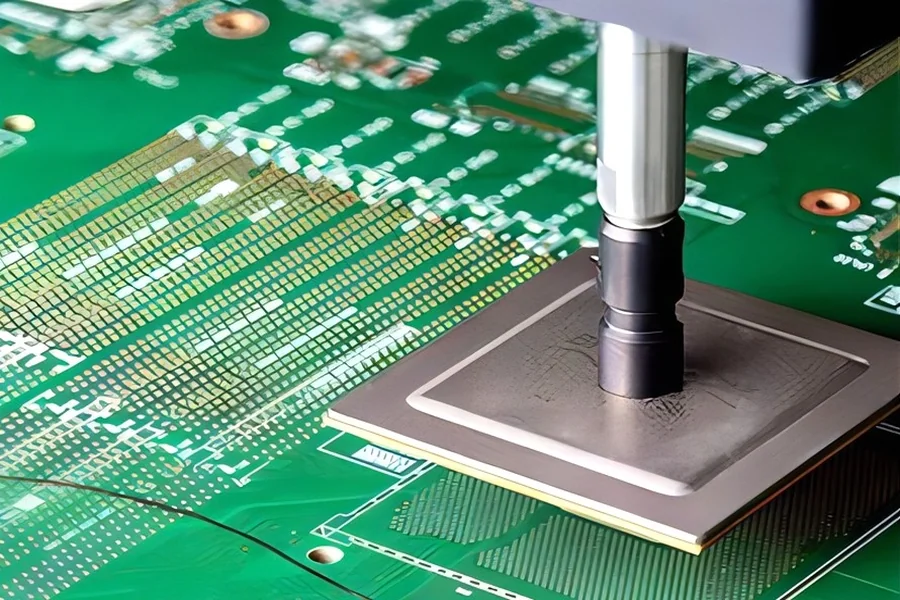
Multilayer PCB assembly is the process of manufacturing and assembling printed circuit boards that contain more than two layers of conductive material. Unlike single or double-layer boards, multilayer PCBs are built with multiple copper layers separated by insulating substrates, all laminated together under high temperature and pressure. This design allows for higher circuit density, improved functionality, and enhanced electrical performance — key requirements for modern electronic devices.
Why Multilayer PCB Assembly is Crucial for Modern Electronics
As technology continues to evolve, electronic devices are becoming smaller, faster, and more complex. From smartphones and medical equipment to aerospace systems and automotive electronics, the demand for compact yet powerful circuitry has skyrocketed. Multilayer PCB assembly provides the perfect solution, enabling engineers to fit more circuits and connections into smaller footprints without sacrificing performance or reliability.
Structure and Design of Multilayer PCBs
A typical multilayer PCB contains four, six, eight, or even more layers of copper traces. These layers are interconnected by vias — small drilled holes that allow electrical signals to pass between layers. The design involves careful planning to manage impedance, reduce signal loss, and minimize electromagnetic interference.
The stack-up arrangement of dielectric and copper layers plays a critical role in ensuring consistent electrical performance. Advanced software tools are used in the design phase to achieve optimal layer distribution and controlled impedance, especially for high-speed or high-frequency applications.
The Multilayer PCB Assembly Process
Multilayer PCB assembly involves several detailed and carefully controlled stages:
-
Material Preparation
The process starts with preparing copper-clad laminates and prepregs (insulating layers). These materials are stacked according to the design requirements.
-
Lamination
The stack is pressed under heat and pressure, bonding all layers into a single solid board. This step ensures perfect insulation between conductive layers while maintaining electrical continuity.
-
Drilling and Plating
Precision drilling is performed to create vias that connect the internal layers. These holes are plated with copper to ensure strong electrical interconnection across all layers.
-
Component Placement
After fabrication, components are mounted using either surface mount technology (SMT) or through-hole technology (THT), depending on the design. Automated pick-and-place machines ensure accuracy and consistency during this step.
-
Soldering and Assembly
The boards undergo reflow or wave soldering to secure the components. The choice of soldering method depends on the assembly type — single or double-sided, and whether fine-pitch components are included.
-
Inspection and Testing
Quality control is a vital part of multilayer PCB assembly. Advanced testing methods such as Automated Optical Inspection (AOI), X-ray inspection, and functional testing are used to ensure that the final board is free from defects and performs as intended.
Advantages of Multilayer PCB Assembly
Multilayer PCBs offer several key advantages over simpler designs:
- High Circuit Density – More circuits can fit into a compact design without interference.
- Improved Signal Integrity – Controlled impedance and shorter signal paths reduce signal loss.
- Lightweight and Compact – Ideal for modern electronics that demand miniaturization.
- Greater Design Flexibility – Suitable for complex designs with mixed signal types and high-speed communication.
- Enhanced Reliability – The laminated structure increases mechanical stability and electrical reliability.
Applications of Multilayer PCB Assembly
Multilayer PCB assembly is essential in industries such as:
- Telecommunications – For routers, switches, and communication satellites.
- Automotive – In advanced driver assistance systems (ADAS) and engine control units.
- Medical Devices – For imaging systems, monitoring equipment, and diagnostic tools.
- Consumer Electronics – Including smartphones, tablets, and wearables.
- Aerospace and Defense – Where precision and durability are critical.
Final Thoughts: Choose Expert Partners for High-Quality Multilayer PCB Assembly
In today’s fast-evolving electronics industry, precision and performance are paramount. Multilayer PCB assembly offers the ideal balance between complexity, miniaturization, and electrical efficiency, making it the backbone of cutting-edge devices.
For businesses seeking exceptional quality and reliability, partnering with an experienced Chinese PCBA manufacturer ensures access to advanced technology, cost efficiency, and superior production standards. Connect with a trusted expert today to bring your multilayer PCB projects to life with unmatched precision and performance.
