

The Art and Science of Commercial Landscaping: Elevate Your Brand’s First Impression
Understanding the Psychology of Curb Appeal
In the competitive landscape of modern business, first impressions matter significantly. Curb appeal is the combined visual impact that a property presents to the outside world, encompassing everything from the condition of the building itself to the landscaping surrounding it. Research has shown that it takes merely seconds for a passerby to form an opinion about a business based on its exterior presentation. This is where the psychology of curb appeal comes into play; the aesthetic allure of a well-designed landscape can evoke feelings of trust, professionalism, and approachability, thereby inviting potential customers to engage with your brand. Factors such as color, symmetry, and texture all trigger psychological responses that can create a positive perception of your business. For instance, vibrant, lush greenery can elicit feelings of calm and reassurance, whereas cluttered or poorly maintained landscapes can suggest neglect and apathy. Understanding these dynamics allows businesses to strategically design their outdoor spaces to deliver a compelling visual statement that aligns with their brand identity and values.
Choosing the Right Plants for a Lasting Impact
An integral part of commercial landscaping is the selection of appropriate plants. The right plants not only enhance the aesthetic appeal but also support the overall mission of sustainability and maintenance. While selecting flora, it’s essential to consider local climate, soil conditions, and the specific character of the business. Native plants are an excellent choice as they tend to thrive in their natural habitat, requiring less water and fewer chemical interventions, thus maximizing ecological benefits and minimizing costs. In addition to native choices, incorporating a variety of heights, colors, and textures can provide visual interest throughout the seasons. For instance, using perennials combined with annuals offers dynamic color changes and ensures that the landscape looks vibrant year-round. Furthermore, strategically placed flowering plants not only draw attention but also create a nostalgic emotional connection for clients, reminding them of nature’s beauty, which is often a rarity in urban settings. Finally, considering the long-term growth patterns and maintenance needs of plants will help ensure that they continue to convey excellence and care, reinforcing the brand in the minds of visitors long after their initial contact.
Harmonizing Hardscapes with Nature for Stunning Visuals
While plants provide softness and life to an outdoor environment, hardscapes offer structure and form essential elements of cohesive landscape design. Harmonizing hardscapes such as walkways, patios, retaining walls, and water features with natural elements is crucial for creating an inviting and accessible commercial property. A well-constructed stone path can guide customers smoothly into your establishment, while thoughtfully placed seating areas can encourage them to linger, potentially converting foot traffic into customers. Materials used in hardscaping should complement the overall theme of the business. Natural stones, bricks, and permeable pavers can integrate aesthetic appeal with functionality, such as stormwater management. Water features not only serve as attractive focal points but can also provide calming sounds that create an atmosphere of tranquility, making the customer experience more enjoyable. Properly designed hardscape elements enhance the natural beauty of the surroundings and provide practical advantages, ultimately elevating the overall curb appeal and making a lasting impression on your clientele.
Eco-Friendly Landscaping: A Sustainable Approach to Business Aesthetics
The Benefits of Native Plant Selection for Cost-Effectiveness
In today’s environmentally conscious world, businesses face increasing pressures to operate sustainably. One effective way to demonstrate commitment to the environment is through eco-friendly landscaping, starting with the selection of native plants. Native species are not only better adapted to local climatic conditions, but they also support local wildlife and ecosystems, such as pollinators, thereby promoting biodiversity. Their resilience and low maintenance needs translate into reduced costs for water, fertilizers, and pesticides, significantly decreasing overall maintenance expenditure. Moreover, native plants typically thrive without the need for artificial irrigation once established, making them an ideal choice for businesses concerned about water conservation. Landscapes incorporating natives are also more likely to survive adverse weather conditions, ensuring that their beauty is preserved year-round. By making the choice to prioritize native plants, businesses not only enhance their curb appeal but also showcase their dedication to sustainability, which can resonate strongly with a growing number of environmentally-conscious consumers.
Implementing Water-Saving Techniques for the Environmentally Conscious
Water scarcity is an ever-growing concern, particularly in arid and semi-arid regions. As a result, implementing water-saving landscape design techniques is essential for businesses aiming to enhance their curb appeal while being responsible stewards of the environment. Techniques such as xeriscaping, which involves designing landscapes that reduce or eliminate the need for irrigation, can create visually appealing and functional outdoor spaces that conserve water. This approach emphasizes the use of drought-resistant plants, mulching, and thoughtful design layouts that facilitate natural drainage. Moreover, the integration of modern irrigation systems such as drip or smart irrigation can optimize water usage by delivering precise amounts directly to the plant roots, which significantly reduces waste. Rainwater harvesting systems can also be a valuable addition to commercial landscapes, allowing businesses to capture and utilize rainwater for irrigation purposes. Investing in these sustainable practices not only aligns with environmental initiatives but can also lower utility bills in the long run, offering both aesthetic and financial benefits.
Green Roofs and Vertical Gardens: Maximizing Space with Style
As urban spaces continue to grow and land becomes limited, innovative landscaping solutions like green roofs and vertical gardens are gaining popularity. These design elements allow businesses to maximize their footprint while enhancing aesthetic appeal and promoting sustainability. Green roofs layers of vegetation planted on rooftops not only reduce energy costs by insulating the building beneath but also improve stormwater management, reduce urban heat, and enhance air quality. Similarly, vertical gardens or living walls utilize vertical space to introduce greenery where ground area is restricted. They can serve as stunning visual features that captivate customers and passersby while also providing acoustic insulation and improving indoor air quality. By incorporating these advanced landscaping techniques, businesses can transform their properties into vibrant, eco-friendly spaces that draw attention and interact positively with urban ecosystems.
The Role of Maintenance in Sustaining Your Landscape Investment
Creating a Seasonal Maintenance Plan That Works
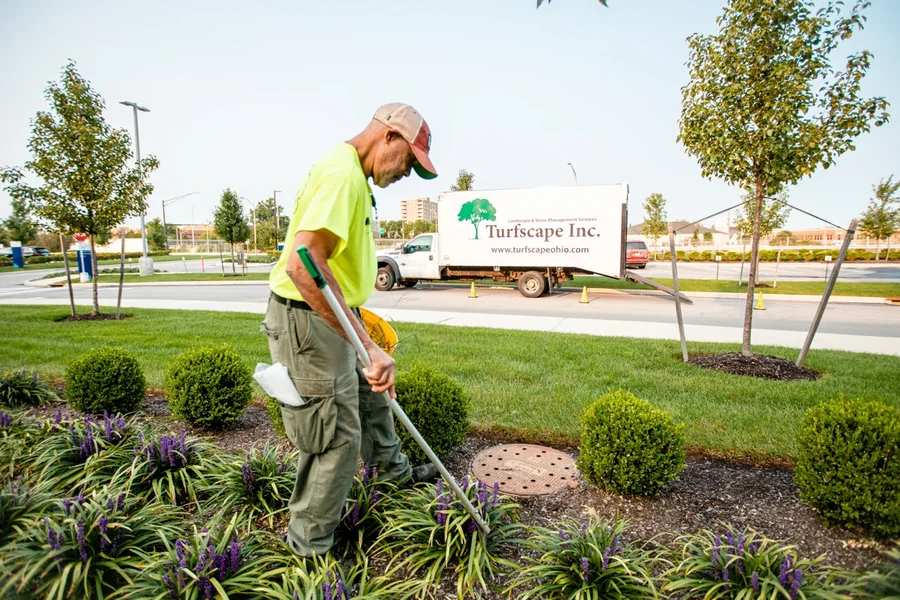
The beauty of a well-designed landscape can only be preserved through proper and ongoing maintenance. Developing a seasonal maintenance plan is fundamental for ensuring that your exterior space remains in optimal condition, appealing to clients and representing your brand effectively. A comprehensive plan will typically involve regular assessments, soil maintenance, weed control, and the pruning of perennials and shrubs to encourage healthy growth patterns. Seasonal tasks should be outlined in detail to ensure that both employees and hired professionals clearly understand preventative measures and scheduled upkeep. For example, fall can focus on preparing the landscape for winter by mulching and planting cover crops, while spring is ideal for flower bed revitalization and over-seeding grass to promote lush greenery. By committing to a seasonal maintenance plan, businesses can extend the longevity of their landscape while maximizing their initial investment, thus ensuring that their curb appeal remains untouched through time.
How Lawn Care Programs Can Enhance Long-Term Satisfaction
Lawn care is a critical component in the overall maintenance of commercial landscapes and directly impacts the perception of the business. Implementing lawn care programs that emphasize weed management, fertilization, aeration, and pest control can contribute significantly to creating a healthy, vibrant lawn. Regularly scheduled mowing, edging, and blow-off services give the entire landscape a polished look while preventing overgrowth or under-maintenance. Moreover, engaging professionals to conduct soil testing can provide insights into nutrient requirements, allowing for tailored applications that ensure robust growth. Investing in professional lawn care not only enhances customer satisfaction but layers the aesthetics of the landscape, ultimately creating an inviting and memorable first impression. The vibrancy of the lawn speaks volumes about a business, often standing as a reflection of its professionalism and attentiveness to detail.
Signs of a Healthy Landscape: Knowing When to Call in the Pros
Understanding and recognizing signs of a healthy landscape is pivotal for business owners to ensure their investment stays fruitful. Key indicators include vibrant foliage, rich colors, minimal pest presence, and growth consistency across all plant varieties. Conversely, signs of distress can manifest as yellowed leaves, stunted growth, or unusual spots on foliage, which may indicate nutritional deficiencies, disease, or pest infestations. Monitoring these signs allows businesses to address issues proactively, potentially enlisting the expertise of professional landscapers when required. Hiring specialists helps to mitigate unforeseen problems and implement solutions that sustain the overall health of the landscape. Whether it involves consulting for fertilization schedules, pest control treatments, or design modifications, understanding when to reach out to professionals can ultimately preserve the aesthetic appeal and longevity of outdoor spaces.
Transformative Landscaping Trends: Keeping Your Business Fresh and Inviting
Integrating Technology: Smart Irrigation and Monitoring Systems
As technology progresses, the integration of smart irrigation and landscape monitoring systems has become a game-changer in commercial landscaping. Smart irrigation systems utilize weather sensors and soil moisture detectors to provide precise watering schedules, optimizing water usage and minimizing waste critical for businesses aiming for sustainability. These systems can be programmed and controlled remotely, allowing for efficient management regardless of the location. Monitoring systems also offer insights into plant health by assessing soil conditions, weather patterns, and plant stress signals in real-time. This proactive approach allows businesses to address areas of concern before they escalate. Tech-driven solutions can result in healthier landscapes that enhance curb appeal while simultaneously reducing overall water costs and labor associated with manual irrigation methods.
Outdoor Spaces as Extensions of Your Brand Identity
In the quest for brand differentiation, outdoor spaces can serve as extensions of identity in a manner that makes an impactful statement. Businesses can use landscape architecture elements such as signage, lighting, and seating areas that reflect their brand colors, logos, and overall ethos. For instance, a modern tech company may choose a sleek, minimalistic design with linear plantings and geometric planters to convey a forward-thinking approach, while a family-oriented establishment may opt for grassy knolls and vibrant flower beds that create an inviting atmosphere for community interaction. This cohesive branding can extend to amenities such as outdoor seating areas that encourage engagement, reflection of corporate values through sustainable practices, and unique ornamental features that captivate attention. By effectively aligning outdoor landscaping with brand identity, businesses can ensure that every aspect of their property communicates professionalism and thoughtfulness, reinforcing their brand message in the minds of potential customers.
Seasonal Floral Displays: A Splash of Color to Attract Attention
Seasonal floral displays represent a captivating way to inject color and life into a commercial landscape. These displays can be thoughtfully curated around specific holidays or promotional events to entice customers and heighten the sense of place. Utilizing a variety of flowering plants, such as tulips in the spring, sunflowers in the summer, and chrysanthemums in the fall, ensures that the landscape continuously evolves, creating a dynamic and appealing environment. Additionally, seasonal displays can address customer emotions and experiences differently. For example, bright, cheerful flowers may create an inviting atmosphere in summer, while festive displays during the winter holiday season can evoke warmth and nostalgia. Partnering with professional landscapers who specialize in seasonal displays can ensure the strategic selection of plants that aligns with local climate conditions, guaranteeing longevity and vibrancy throughout their blooming cycles. Ultimately, these floral arrangements can captivate customers and leave a powerful impression, increasing foot traffic and engagement with peacocktv.com tv.
